The extensive invasion of Arundo donax in and around the Santa Clara River and its tributaries poses a grave threat to this precious river system.
Arundo is a perennial, bamboo-like grass from Eurasia that reaches up to 30 feet in height. It is one of the fastest growing plants in the world. The plant reproduces from rhizomes (massive shallow root systems) that are transported downstream by flows to new locations, where it can re-root and spread rapidly. It is tolerant of both drought and flooding, and can survive extended periods of salinity exposure. Arundo is considered by the International Union for the Conservation of Nature to be one of the 100 most serious invasive species in the world.
One acre of Arundo can consume 11.75-acre feet, or almost 4 million gallons, of water annually.
Arundo is a threat because it:
- Utilizes enormous amounts of of water, depleting groundwater and drying out riparian soils
- Competes with and kills native vegetation that would otherwise resist fire in and around the Santa Clara River
- Consumes water needed for habitat for protected species, local water supply, irrigation for high-value agriculture and infrastructure, and recreational uses
- Ignites readily and has become the fuel for many dangerous wildfires crossing through the Santa Clara River valley in recent years, spreading fire along the riverbed
Arundo Invasion
The extensive invasion of Arundo in riparian and floodplain habitats throughout much of the watershed poses a grave threat to this native biodiversity, including habitat for protected species, and to water resources, local communities, high-value agriculture and infrastructure, and recreational uses.
Based on the most recent vegetation mapping by Stillwater Sciences (2019), there is extensive Arundo infestation within the Santa Clara River (of the mapped floodplain area, over half contains notable amounts of Arundo, ranging from stands with 1-5% cover of Arundo in the understory of native riparian forests and shrublands to dense monospecific stands with 96-100% Arundo cover). In addition, substantial amounts of Arundo are present in tributaries to the Santa Clara River.
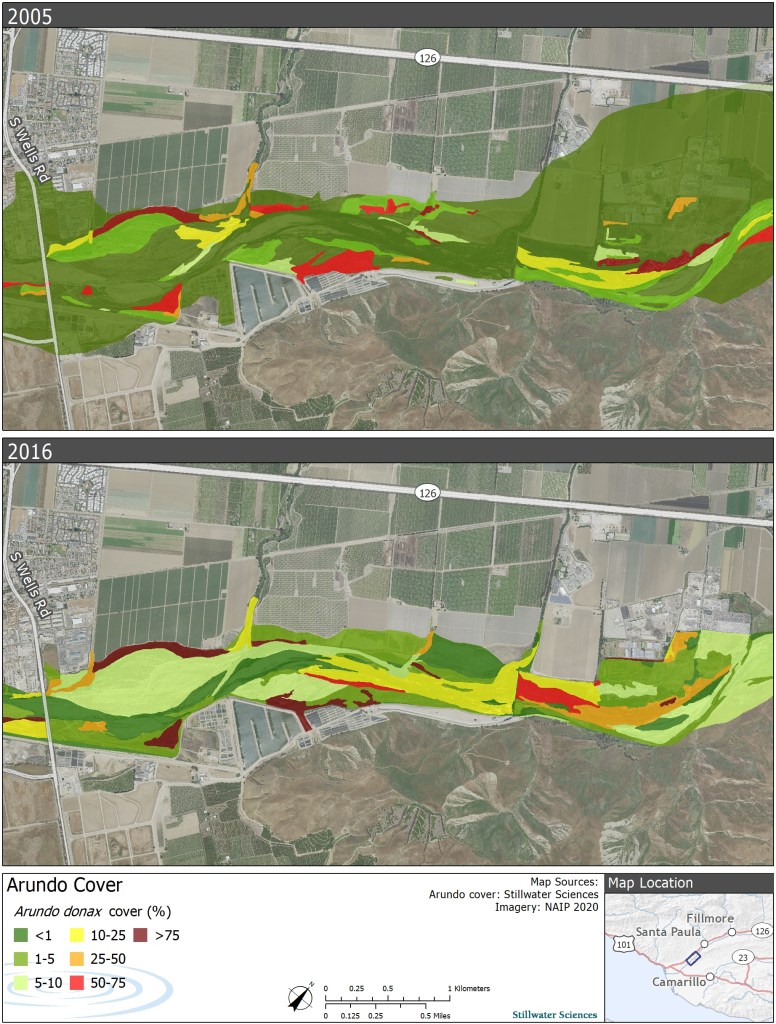
Arundo inflicts substantial damage on the communities and the habitats that depend on the Santa Clara River watershed. The Santa Clara riverbed now catches fire multiple times each year and vast stands of Arundo spread fires quickly. Many of the largest wildfires in California history burned in this watershed, including the Thomas, Powerhouse, Lake, and Sand fires. Dense Arundo stands fill space needed to keep floodwaters in the riverbed, putting communities at increased flood risk and some in mandatory flood insurance zones. Removing Arundo reduces disaster risks.
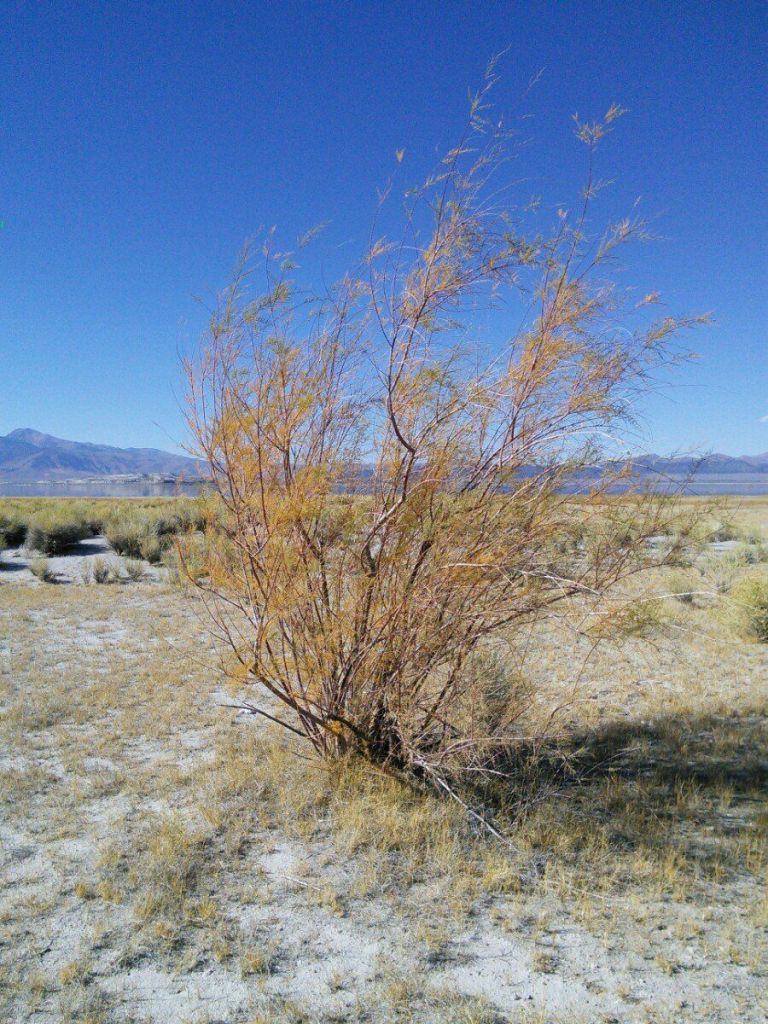
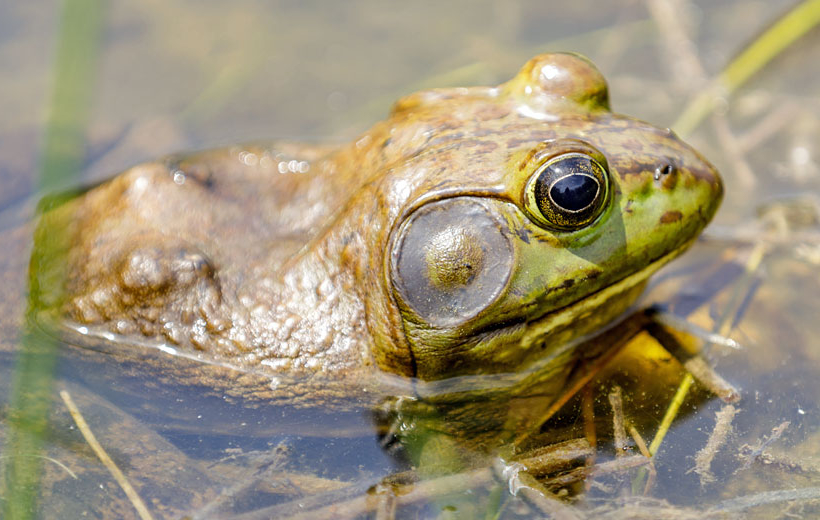
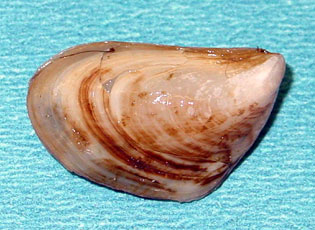
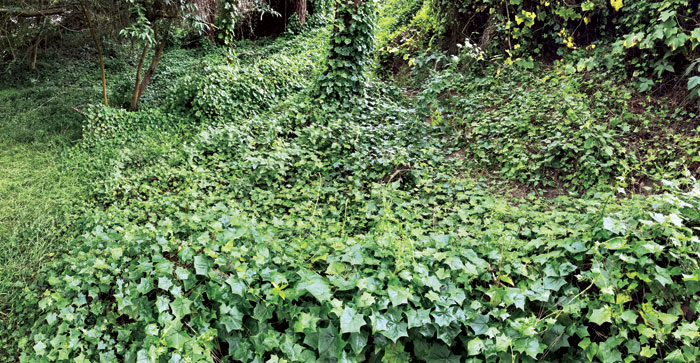
Scroll through a few of the other, known invasive species that negatively impact the ecology Santa Clara River watershed below.
 Restoring the Santa Clara River